Loading...
Serving Highland, CA and surrounding areas. (909) 737-6946
A well-built pressure-treated deck gives you a durable outdoor space at a lower upfront cost than composite - and we build every one with full permits, seismic-rated connections, and honest pricing for Highland's foothill terrain.
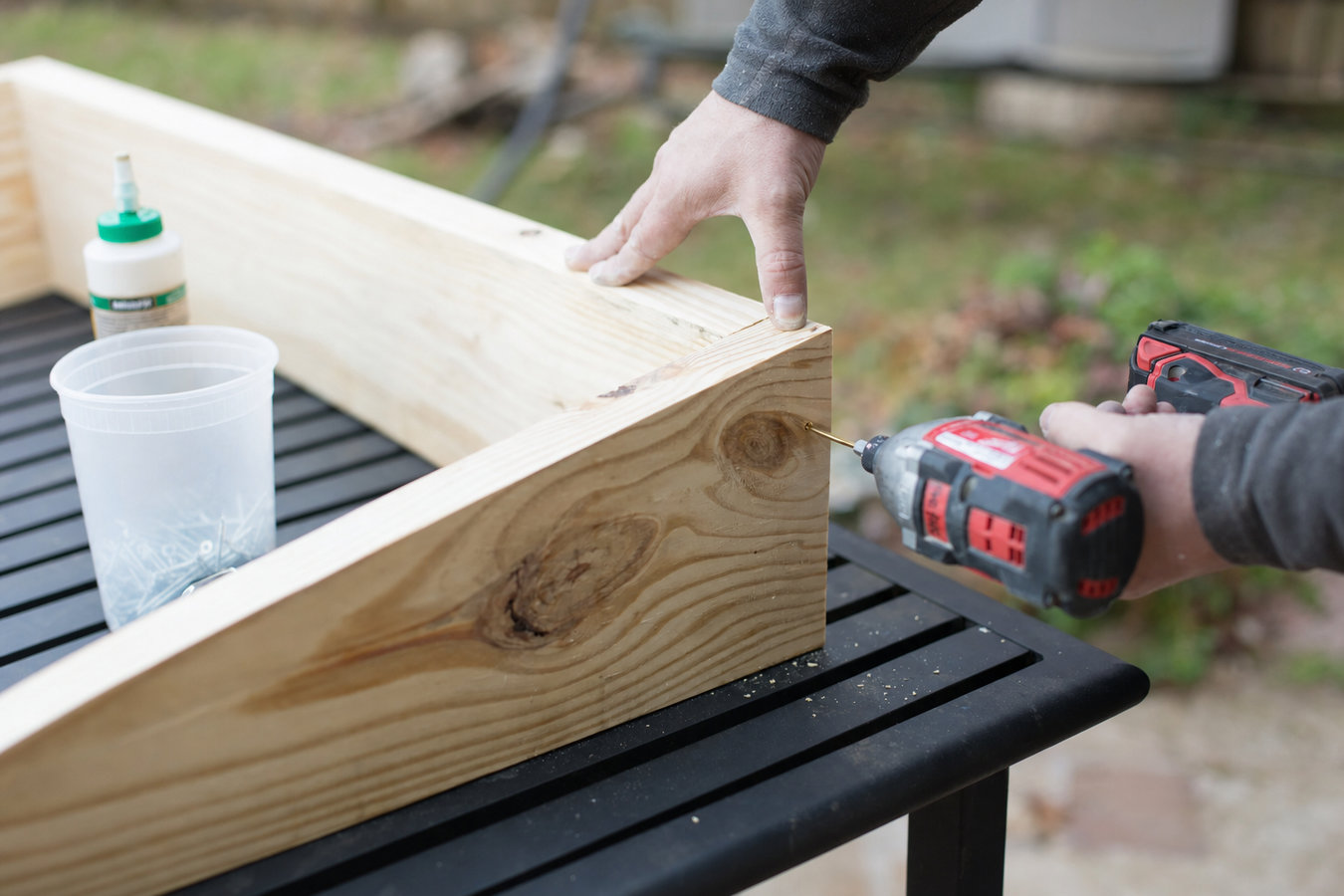
Pressure-treated wood deck construction in Highland, CA means setting posts in concrete footings, building a frame of beams and joists, and laying treated lumber boards on top - most standard decks in the 200- to 400-square-foot range take two to five working days on-site once the permit is approved.
Pressure-treated lumber remains the most common choice for residential decks in the Inland Empire because it offers a strong, proven structure at a lower upfront cost than composite. Homeowners who want a solid outdoor space without paying a premium for composite often find that a well-built, well-maintained pressure-treated deck gives them years of reliable use. If you are weighing long-term maintenance against upfront cost, our cedar wood deck construction page covers another natural wood option worth considering.
The main thing to understand about pressure-treated wood in Highland's climate is that it needs consistent maintenance. The intense UV exposure here bleaches and dries out unprotected wood faster than in coastal California, which means the first sealing cycle matters and cannot be skipped. A contractor who gives you realistic maintenance expectations upfront is doing you a favor.
If boards flex when walked on, feel spongy in spots, or have visible cracks running along the grain, the wood has been compromised by years of sun and occasional rain. In Highland's climate, intense UV exposure accelerates wood breakdown - especially on decks that have not been sealed regularly. Surface deterioration is often a sign that the boards and possibly the frame underneath need replacement.
Give your deck railing a firm push. It should feel completely solid. If it wobbles or shifts at the post connections, that is a structural safety issue, not a cosmetic one. A railing that fails under pressure is one of the most common causes of deck-related injuries, and it is a sign the deck may need more than a simple repair.
An aging concrete slab that has heaved or cracked - something common in the Inland Empire where soil movement and heat cycles stress concrete over time - is often a good candidate for replacement with a wood deck. A deck can be built over or around an existing slab, or the slab can be removed, giving you a fresh surface that is more comfortable underfoot and easier to customize.
If your backyard is a patch of concrete or bare ground you rarely spend time in, a deck changes how you use your home. Many Highland homeowners find that a shaded, level deck becomes the most-used space in the house during the long spring and fall seasons when the weather is ideal for being outside.
We build pressure-treated decks from the footings up, using materials and methods suited to Highland's climate and soil conditions. Every project includes a site assessment to identify grade changes and soil type, which directly affect how deep the footings need to go and how the frame is designed. If you plan to stain or seal the deck after construction, we discuss the right products and timing during the project so you are not left guessing - and our deck staining and sealing service is available as a follow-on once the wood has had time to dry and settle.
We handle the full scope - permit application, San Bernardino County inspection scheduling, HOA submission if your neighborhood requires it, and demolition of any existing structure. The result is a permitted, inspected deck that is ready to use from day one. We also design and build stairs, install railings, and can work with sloped yards that would have complicated a less experienced crew.
Best for flat yards where access and simplicity matter most - the most affordable option for adding outdoor living space.
Ideal for homes in Highland's foothill neighborhoods where the yard drops away from the back door and a flat surface needs to be created.
For homeowners replacing a deck that has reached the end of its life - we remove the old structure and build new from the footings.
Suited to elevated decks and any project where code-compliant stair and railing design is required by the permit inspector.
Highland sits at roughly 1,200 feet elevation in the San Bernardino Valley, where the sun is intense, summer temperatures regularly exceed 100 degrees, and soil conditions vary between flat valley lots and the expanding clay soils common in foothill neighborhoods. Both of those conditions affect how a wood deck needs to be built. UV exposure here bleaches unprotected wood significantly faster than in coastal California, and expansive soils in parts of Highland can shift footings over time if they are not set deep enough for local conditions. We know this area and design accordingly.
The seismic requirements for this region also shape every deck we build. Highland and neighboring Mentone sit in a high seismic hazard zone because of the proximity to the San Andreas Fault and related fault systems. California's building code requires that deck footings and structural connections be designed to resist the kind of lateral ground movement this region experiences. That requirement is checked during the permit inspection - and it is the kind of thing a contractor unfamiliar with California code can easily get wrong. We get it right the first time.
We respond within one business day. We ask a few basic questions before scheduling anything - roughly how large a deck you are imagining, whether your yard is flat or sloped, and whether you have an HOA. This helps us show up to your home prepared.
We visit your yard, measure the space, look at the grade, and talk through what you want to use the deck for. You receive a written estimate within a few days that breaks out labor and materials separately.
Once you sign a contract, we submit the permit application to San Bernardino County Building and Safety on your behalf. If your neighborhood has an HOA, we start that process at the same time. Permit review typically takes two to six weeks depending on current volume.
Most standard decks in the 200- to 400-square-foot range take two to four working days to frame and board. After the county inspector signs off, we clean up, remove all scrap and debris, and walk the finished deck with you to address any punch-list items before we leave.
Written estimates with labor and materials broken out separately. We handle the permit and inspection from start to finish - no surprises.
(909) 737-6946Many Highland lots, particularly in the northern and eastern foothills, have significant grade changes from front to back. We assess the slope honestly during the estimate visit and design the framing to match the actual terrain - taller posts on the downhill side, properly engineered footings, and a level finished surface regardless of what the ground underneath is doing.
In California, any contractor performing work over $500 must hold a valid license from the California Contractors State License Board. You can verify any contractor's license on the CSLB website before signing anything. We are licensed, carry general liability insurance, and hold workers' compensation coverage - and we will provide documentation if you ask.
We handle the permit application, plan check, and inspection coordination with San Bernardino County Building and Safety on every project. You are never left tracking down a permit status or wondering whether your deck is legally compliant. For building code guidance, the California Department of Housing and Community Development publishes current residential construction standards.
We do not hand you the keys to a new wood deck and disappear. Before we leave, we walk you through the first sealing timeline, what to watch for annually, and how to get the most years out of the materials. In Highland's climate, that guidance makes a real difference in how long the deck looks and performs.
Every project we take on in Highland is permitted, inspected, and designed around the local conditions that actually affect how a deck holds up here. Call us and we will walk you through the same process on your project.
A natural wood alternative to pressure-treated lumber that offers a warmer appearance and works well for homeowners who prioritize aesthetics alongside durability.
Learn MoreProtect and extend the life of your new pressure-treated deck with professional staining and sealing tailored to Highland's UV-heavy climate.
Learn MoreBuild season books quickly - contact us now to schedule your free estimate and get your permit timeline started.